How A Rifle Stock Is Made: Inside The McMillan Shop
How a Rifle Stock Is Made: Inside the McMillan Shop
Intro
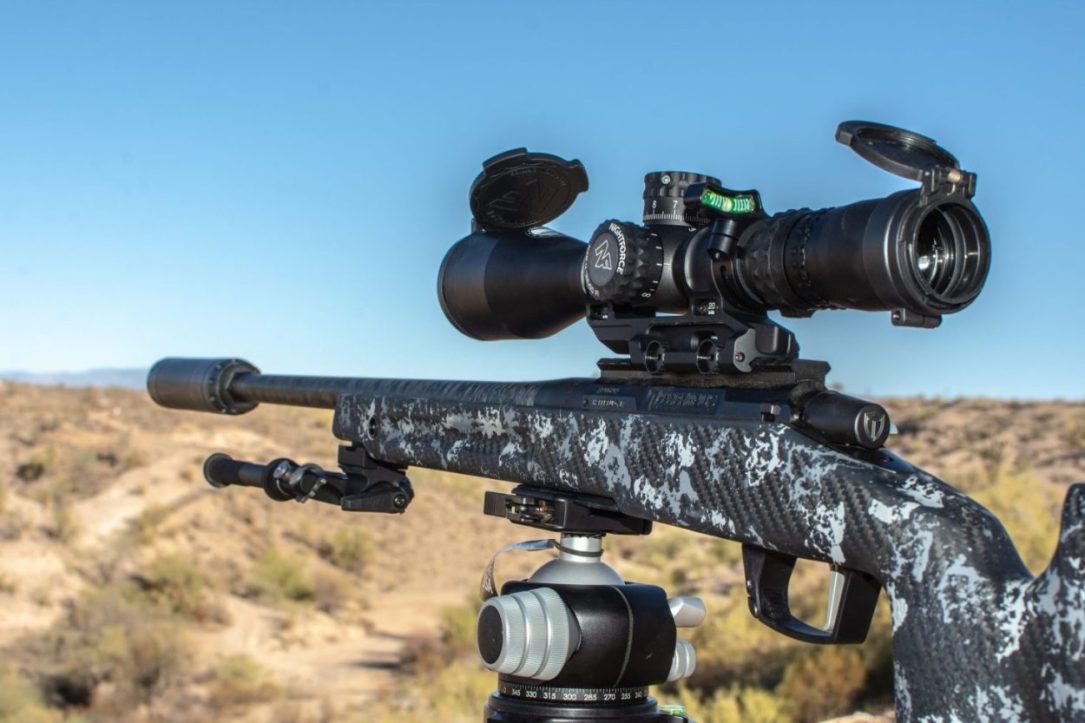
Ever wondered how a rifle stock is made? Most shooters never see what happens between ordering a custom rifle stock and lifting it out of the box. 110 SASS Actual visited the McMillan shop in Phoenix to find out, following a single M40A1 stock from loose carbon fiber and fiberglass cloth to finished product.
The video shows color and resin hand-blended and applied into the mold, layers of cloth hand-layered and pressurized inside an aluminum mold to cure overnight, and a fill station that tunes each stock’s weight, recoil, and balance. A CNC machine running a program written for that specific stock that cuts the inlet; and machined in aluminum pillars which make the stock drop in ready. Hardware, hand-ground buttpads and seam-by-seam finishing follow.
After watching dozens of people work on one stock, the host’s verdict was simple: “the pinnacle of American craftsmanship.” Watch the full process below or jump to the stage you care about most.
Mix Room: Hand-Mixed Color and Resin
Watch at 2:46
Every McMillan stock starts in the mix room. Carbon fiber and fiberglass each get their own epoxy and resin recipe, and the blend can change from color to color. Pigments are measured and mixed by hand, often several at a time to produce a single color.
That color is then applied by hand into the mold, which is why no two McMillan finishes are identical. Depending on the pattern, this step alone can take anywhere from a few minutes to an hour.
Hand-Layering Carbon Fiber and Fiberglass
Watch at 3:57
Cloth is cut to shape for each stock model and saturated with epoxy resin before being hand-layered into the mold with reinforcements placed in high stress areas.
Fill Materials: Tuning Weight, Recoil, and Balance
Watch at 7:09
A cured shell is light and hollow, so the fill station is where each stock gets its final character. McMillan uses four fill materials, each with its own job:
- Fiberglass epoxy mix (Maximum Recoil Mitigation fill): the densest, strongest fill, used for heavy builds such as long-action magnums.
- Medium fill: balances durability with a significant weight reduction.
- EDGE compound: an ultralight material for ultralight carbon hunting stocks.
- Expanding foam: typically used in the buttstock of our lightweight hunting models.
Matching the fill to the build is how one stock design can serve a featherweight mountain rifle and a heavy magnum.
CNC Inletting and Machined-In Aluminum Pillars
Watch at 9:18
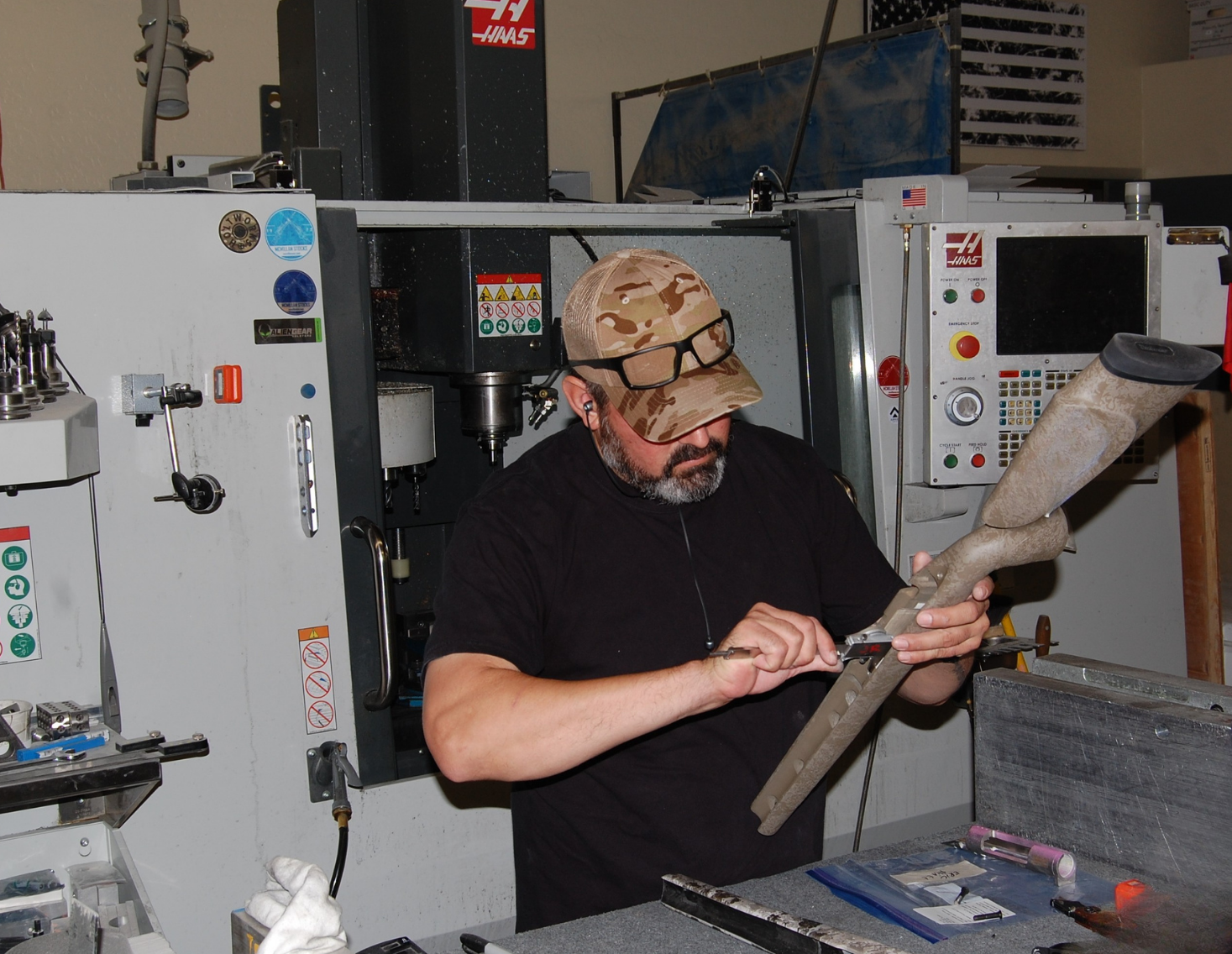
After filling the stock is solid but not inletted so nothing fits yet. Each stock goes to a CNC machine running a program written specifically for that stock, which cuts the inlet and barrel channel and machines in aluminum pillars to match the customers specification to create a drop in ready stock.
After machining, workers spend 10 to 30 minutes per stock performing inspection and touch-ups if needed.
Hardware and Hand-Ground Buttpads
Watch at 11:21
Adjustable cheek piece hardware, sling studs, flush cups, Picatinny rails, and ARCA rails are installed by hand to the customer’s order. Buttpads and adjustable length of pull systems are glued, seated, and checked for alignment before each one is hand ground to the stock’s profile on a belt sander.
Paint and Final Finishing
Watch at 12:51
Some customers prefer a painted finish while others choose a molded-in color finish. Stocks headed to paint are prepped, masked, and sprayed, with some camo patterns applied by hand with a real sea sponge for a natural texture. Proprietary stenciled designs are also available.
Final finishing on our Molded-In Color stocks is the most detailed work in the building. Small batches of gel-coat is hand-mixed and pigmented to match each stock, seams are hand ground and blended. Molded-In Color finishes cure overnight and receive a final sanding and inspection before the stock is packed and shipped.
Have More Questions?
What are McMillan stock colors and molded-in finishes?
Which fill should I use?
What are the lead times for a McMillan stock?
Drop-in fit vs a bedded fit?
Do I need to send in my barreled action?
Which stocks are available for left handed shooters?
Ready To Purchase
Every step in this video is what gives a McMillan stock mini-chassis rigidity: hand-layered construction, fill matched to the build, and machined-in aluminum pillars cut for your exact action. Use the Build Your Stock tool to confirm fit for your action and configure your stock in fiberglass or carbon fiber. Shop Ready To Ship Inventory for the most popular configurations.